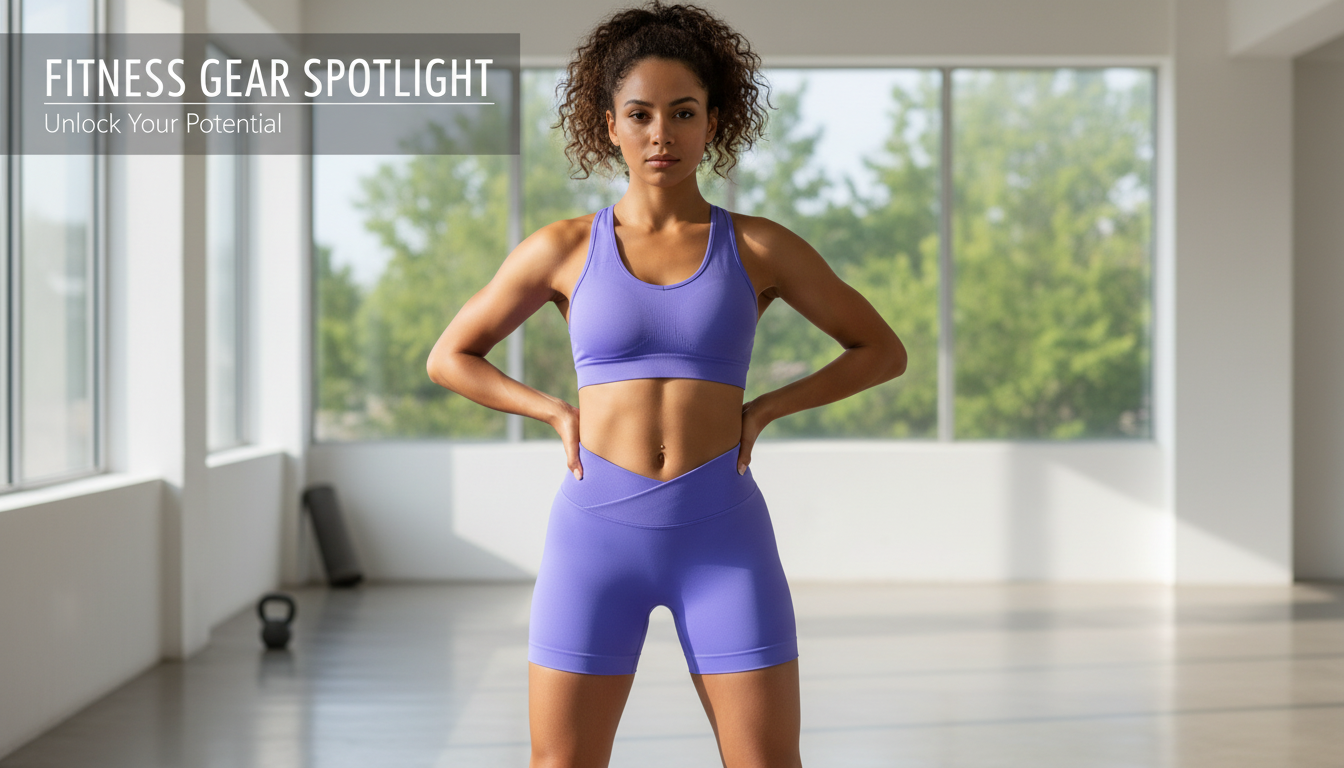
High-waist seamless sports shorts are designed to stay put, feel smooth against the skin, and move without pinching or rolling. The best pairs balance waistband support, squat-friendly coverage, and breathable comfort—so you can focus on form, not fussing with your outfit. Below is a practical guide to what sets seamless shorts apart, what to check before buying, how to nail the fit, and how to care for them so they keep their shape.
Seamless (or seam-minimized) sports shorts use knit construction that reduces bulky stitching in common friction zones. That matters when you’re repeating the same movement patterns—walking, cycling, or deep squat work—where rubbing can build quickly.
If chafing is a recurring issue, it’s also worth reviewing prevention basics from dermatologist-backed guidance like the American Academy of Dermatology Association and the Cleveland Clinic.
Small construction details can make a big difference once you’re in motion—especially around the waistband, inner thighs, and leg openings.
| Feature | Why it matters | Quick test at home |
|---|---|---|
| High, wide waistband | Stays secure during bends and core work | Do 10 squats—waist should not roll down |
| Seam-minimized construction | Less rubbing in inner thighs and waistband | Walk briskly for 5 minutes—no hot spots |
| Good stretch recovery | Prevents sagging and slipping mid-workout | Pull fabric gently—should rebound quickly |
| Squat-friendly coverage | Confidence during strength training | Check opacity in bright light while squatting |
| Comfortable leg opening | Helps prevent riding up and pinching | High knees—legs should stay put without digging |
The “right” size is the one that stays stable during movement while still feeling comfortable enough for full-range breathing and bending. A supportive waistband should feel like a steady hug—not a clamp.
If your shorts feel great standing but slide during training, check two things: waistband tension (too loose will drift) and fabric recovery (low recovery can stretch out quickly). If rolling happens consistently, try one size up or a style with a slightly lower rise.
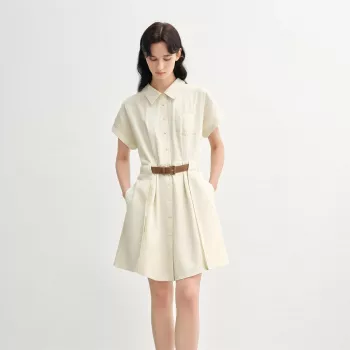
For warm-weather outfit options beyond activewear, a breathable dress can be an easy swap after training: Summer Linen Shirt Dress – Curve-Flattering Midi with Empire Waist or Vintage Cotton Linen Mini Sundress – Sleeveless Summer Back-Tie Party Dress.
Seamless knits depend on elastic fibers for their smooth fit and supportive feel, so gentle care helps preserve performance. Always follow your garment’s care instructions—care labeling standards are regulated under the Federal Trade Commission’s Care Labeling Rule.
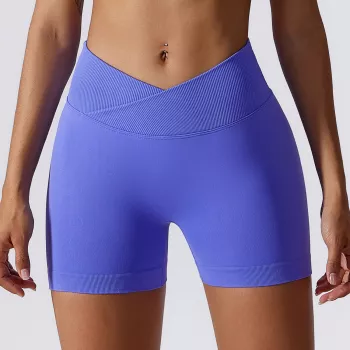
If you’re looking for an everyday-ready pair with a smooth feel and a secure high rise, High Waist Seamless Sports Shorts for Women are designed to support gym sessions, Pilates flows, and off-duty days.
| Item | Details |
|---|---|
| Product | High Waist Seamless Sports Shorts for Women |
| Price | 19.51 USD |
| Availability | In stock |
| Product page | https://empressbazaar.shop/high-waist-seamless-sports-shorts-for-women/ |
They can if the waistband is too tight, too small, or the rise doesn’t suit your torso length. A quick check is 10 deep squats and a hip hinge—if the waistband rolls, try sizing up or choosing a slightly different rise/waistband height.
Test under bright light with a deep squat and hip hinge in front of a mirror (or with a phone camera). Lighter colors and very high stretch can increase sheerness, so evaluate coverage while moving—not just standing still.
Wash cold on a gentle cycle, turn them inside out, and use a laundry bag to reduce friction. Avoid fabric softener and air dry when possible to protect the fibers that keep the knit smooth and resilient.







Leave a comment