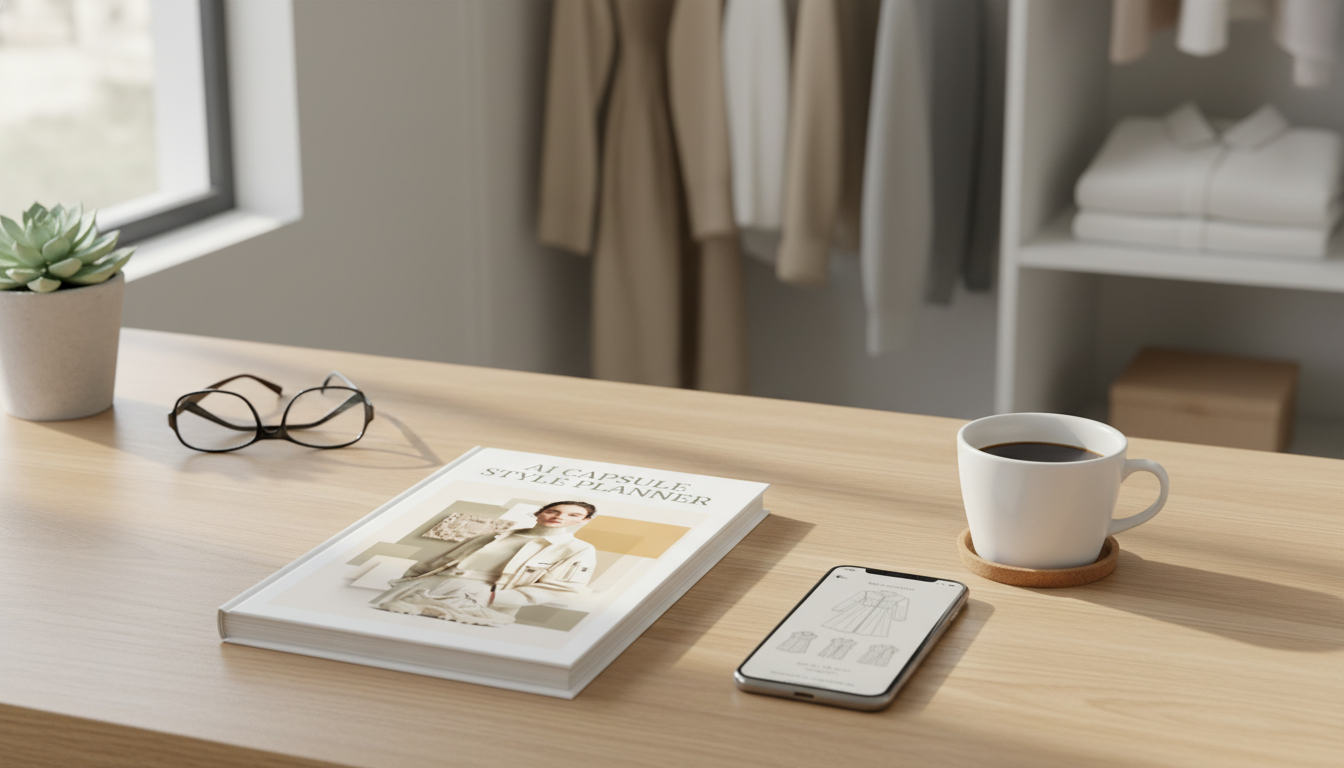
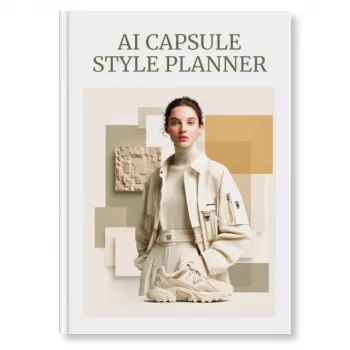
A capsule wardrobe works best when it’s built for real life: shifting weather, specific dress codes, comfort needs, and the way laundry cycles actually happen. A simple planning system can narrow choices without flattening personal style, so getting dressed becomes faster and more consistent. The AI Capsule Style Planner digital guide is designed to turn “too many options” into a small set of repeatable outfit formulas—so outfits feel intentional even on busy days.
A functional capsule is less about hitting a perfect number and more about building a system that supports the days actually lived. The strongest capsules share a few practical traits:
| Building block | Examples | Outfit impact |
|---|---|---|
| Core tops | Tees, tanks, crisp shirt, knit top | Creates quick base outfits; supports layering |
| Core bottoms | Jeans, trousers, skirt, shorts | Defines formality and silhouette |
| Layers | Blazer, cardigan, denim jacket, coat | Adds polish, warmth, and variety |
| Shoes | Sneakers, flats, boots, dress shoes | Shifts outfits from casual to elevated |
| One-and-done | Dress, jumpsuit | Instant outfit with minimal decisions |
| Accessories | Belt, bag, jewelry, scarf | Refines style signature without adding bulk |
A minimalist wardrobe routine works when it reduces “micro-decisions.” Constant small choices can drain energy over time, especially when mornings are rushed—something commonly described as decision fatigue (APA Dictionary of Psychology). A planning flow helps by pre-deciding the parts that usually cause second-guessing.
Because this is an AI-driven planning tool, it’s also smart to think about responsible use: treat outputs as suggestions, not rules, and keep your comfort and lifestyle as the final filter—an approach aligned with the practical risk-aware mindset encouraged by frameworks like the NIST AI Risk Management Framework (AI RMF 1.0).
A capsule comes together faster when it’s built in a sequence that mirrors how outfits are actually worn. A streamlined seven-step flow keeps the process focused:
| Formula | Best for | Easy upgrades |
|---|---|---|
| Tee + jeans + layer | Errands, casual work | Swap layer to blazer; add structured bag |
| Button-up + trousers | Office, meetings | Add belt; switch to pointed flats/heels |
| Dress + jacket | Events, dinner | Change shoes; add statement earrings |
| Knit top + midi skirt | Smart casual | Add boots; switch to leather jacket |
| Tank + wide-leg pants | Warm weather | Add linen shirt; change sandal style |
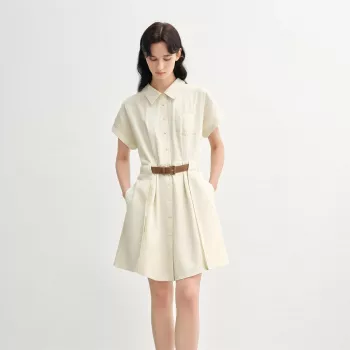
One-and-done pieces make capsules feel elevated with almost no effort. For warm-weather simplicity, a linen midi can carry an entire week of outfits with minor swaps; consider the Summer Linen Shirt Dress – Curve-Flattering Midi with Empire Waist as a “dress + jacket” anchor. For a shorter, playful option that still layers easily, the Vintage Cotton Linen Mini Sundress – Sleeveless Summer Back-Tie Party Dress can act as a capsule accent while staying within a cohesive palette.
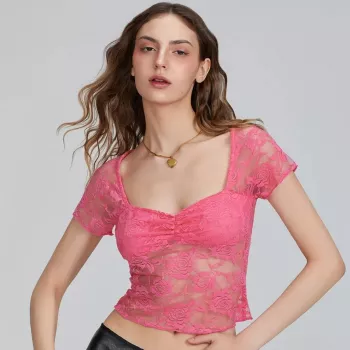
When you want a single statement piece that still layers into multiple formulas, a structured top can do a lot of work. The Floral Lace Corset Shirt can function as that “personality lane” item—paired with denim for contrast, trousers for polish, or a skirt for evening—without requiring a closet overhaul.
The AI Capsule Style Planner | Digital Guide is built to streamline capsule wardrobe planning and outfit coordination. It’s especially useful for seasonal refreshes, travel capsules, closet edits, and style resets after a lifestyle change—helping turn a limited set of pieces into more combinations with less closet noise.
A practical range is often 25–45 pieces (excluding underwear, sleepwear, and specialty items). Adjust up or down based on climate, how strict your dress codes are, and how often you do laundry.
Yes—build from a neutral base, then add a few coordinating accent colors. Keeping about 10–15% of the capsule for statement items helps maintain personality without breaking outfit cohesion.
Rotate layers and shoes, add one versatile accessory, and create a couple of new outfit formulas using the same palette. Small changes to structure (like swapping trousers for a skirt) can make outfits feel fresh without buying more.









Leave a comment