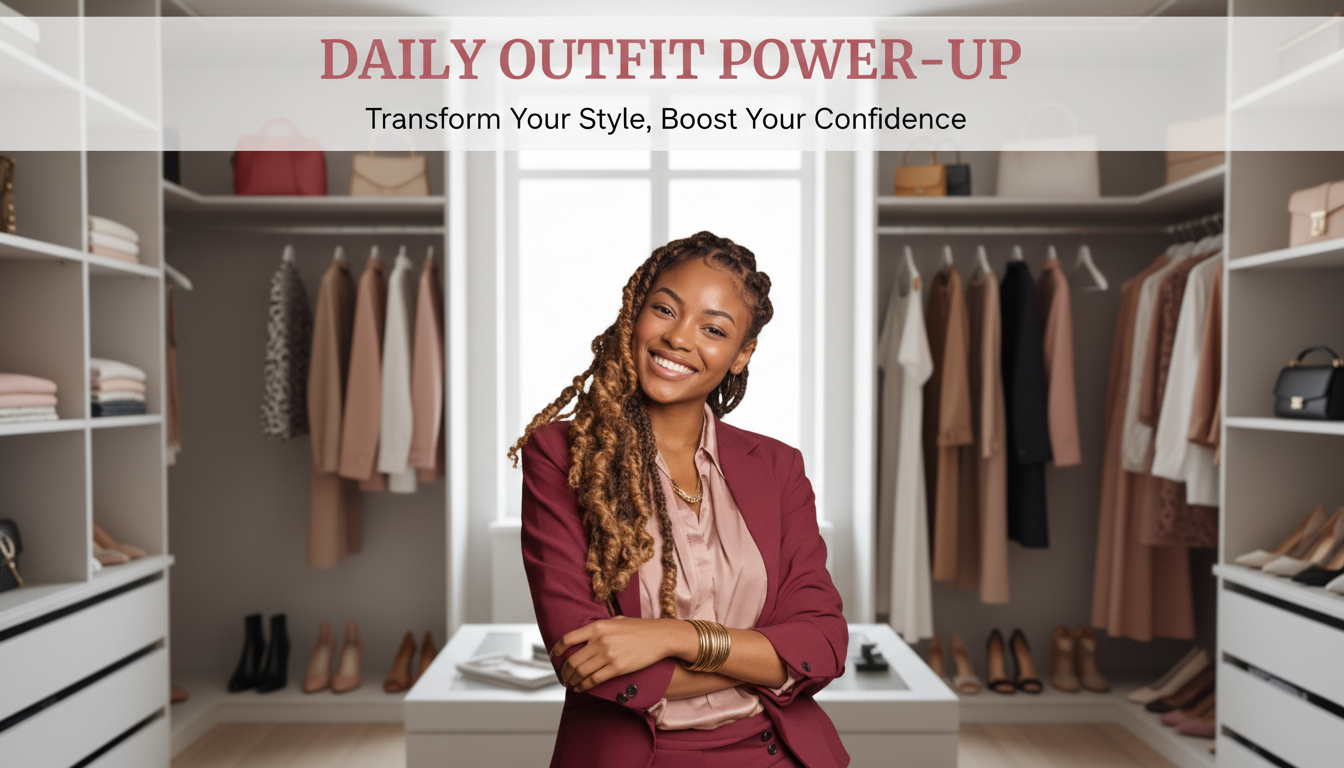
A short, repeatable checklist can turn daily outfit decisions into a calm, confidence-building routine. When you follow the same quick sequence each morning, your brain stops negotiating with a thousand options and starts making a few smart, small choices that add up to a great look. Below is a simple 10-minute flow designed to reduce decision fatigue, improve outfit consistency, and help your closet work harder—plus an easy way to make the routine stick with a printable digital checklist. For more guidance, see 5 Digital Fashion Apps for Women: Daily Outfit Planning Made Easy.
Outfit stress rarely comes from not owning enough clothes. It comes from too many unorganized decisions at once—weather, comfort, shoes, the vibe, the practical details—stacked on top of a busy day. For further reading, see Melbournepunjabi Comedy Australianpunjabi Weightloss Fashion ….
This works for the same reason other routines work: planning and self-regulation are part of executive function, and a consistent structure reduces mental load when you’re rushed. For a deeper background, see Britannica on decision fatigue and executive function.
Check your agenda, weather, and dress code. A coffee run, a long commute, and an indoor meeting require different shoes, layers, and bags—even if the outfit “looks” similar.
Choose one hero piece to build around: a top, dress, pants, or statement layer. An anchor gives instant direction and stops the spiral of outfit swapping.
Decide where volume sits: fitted vs. relaxed, top-heavy vs. bottom-heavy, or balanced. If your pants are wide-leg, try a more fitted top; if your top is oversized, keep the bottom cleaner.
Pick one approach and commit: monochrome, neutrals + one accent, or two-tone contrast. This single choice makes an outfit look intentional fast.
A blazer, cardigan, overshirt, jacket, or scarf adds polish and temperature control. It also gives you an easy “remove or add” lever throughout the day.
Confirm comfort, walking needs, and surface (rain, commute stairs, slick sidewalks). If something feels off later, shoes are often the culprit—solve it before you leave.
Match bag size to the day, then do a 10-second essentials check: keys, wallet, phone, charger, sunglasses, and one quick beauty touch-up item.
Select one focal point—earrings, necklace, belt, or hat. The “one” rule keeps the look styled instead of cluttered.
Do a movement test: sit, reach, and walk. Check hems and undergarment lines. If you’re tugging now, you’ll be tugging all day.
| Minute | Action | Quick win |
|---|---|---|
| 1 | Context check | Outfit matches the real day, not the imagined day |
| 2 | Choose an anchor piece | Instant direction and fewer options |
| 3 | Decide silhouette | Proportions feel intentional |
| 4 | Confirm color story | Everything coordinates without overthinking |
| 5 | Add a layer | Polish + temperature flexibility |
| 6 | Pick functional shoes | Comfort and confidence outside the house |
| 7 | Bag + essentials | No last-minute scrambling |
| 8 | One intentional accessory | Looks styled, not cluttered |
| 9 | Fit + movement test | Prevents tugging, slipping, and regret |
| 10 | Photo check + one tweak | Fast final edit for a cohesive look |
If you want the routine to become automatic, make it visible. The Daily Outfit Power-Up Checklist (digital download) is designed to live where decisions happen: near your mirror, closet door, or on your phone.
The routine limits decisions to a fixed sequence (context, anchor, silhouette, color, layer, shoes, accessory, fit check), so you’re never solving everything at once. After a week or two, repeated “templates” make the steps feel almost automatic.
Use the movement test (sit, reach, walk) before you leave, and prioritize breathable or flexible fabrics for your schedule. If discomfort shows up, swap shoes first and add a practical layer—comfort is a required step, not a bonus.
Stick to the “one intentional accessory” rule and keep a consistent signature element (like the same metal tone or bag shape). If the look feels busy, remove one item before leaving.









Leave a comment