
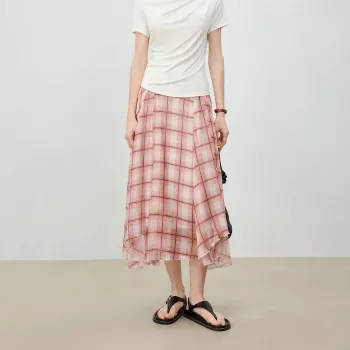
A checkered midi skirt with an asymmetrical hem brings vintage attitude with modern movement. The pattern adds instant structure, while the diagonal hemline keeps the look light on its feet. Below is a practical guide to choosing the right fit and fabric, building outfits for different settings, and keeping the checks crisp and the hemline smooth so the skirt always looks intentionally styled.
Check patterns have a built-in “outfit-making” quality: they create visual rhythm and a sense of polish even when paired with the simplest basics. A midi length helps the skirt flex across seasons and dress codes—easy with sneakers on the weekend, elevated with boots or loafers for the office.
The asymmetrical hem is the detail that changes everything. It adds motion when you walk (or dance) and naturally draws attention to footwear. Because the print already has energy, the cleanest versions of this style tend to have a smooth waistband and a neat hip area—when the checks lie flat, the pattern reads refined rather than busy.
The most flattering checkered asymmetrical midi skirts share a few fit cues: a stable waistband, a hip line that doesn’t strain, and a hem that moves without catching. Start with where the skirt sits on your waist. A true-waist fit is especially easy to style with tucked knits, bodysuits, and cropped jackets because it builds a clear silhouette against the graphic print.
Next, check the hip fit in good lighting (and ideally in motion). If the fabric pulls at seams or across the hips, the checks can warp, making the pattern look uneven. Finally, consider hem balance. Since asymmetry draws the eye downward, keeping the top half streamlined—simpler necklines, cleaner layers—prevents competing lines.
For everyday wear, the longest point of the hem should clear the ankle to avoid feeling restrictive. Do a quick movement test: take a few steps, sit down, and stand up. The hem should swing freely without riding up or twisting.
| Body/Style Goal | What to Choose | Why It Helps |
|---|---|---|
| Define the waist | Tucked-in top or fitted knit | Keeps the silhouette crisp against a bold pattern |
| Make legs look longer | Heeled boots or pointed-toe flats | Echoes the diagonal hem and elongates the line |
| Balance broader shoulders | Softer neckline (scoop, V, wrap) with minimal shoulder detail | Lets the skirt remain the focal point |
| Add curve and movement | Light layering piece (cropped jacket/cardigan) | Frames the waist and complements the swing of the hem |
Everyday casual: Pair the skirt with a fitted tee or ribbed tank and a denim jacket, then finish with clean white sneakers. The checks supply the “styled” feeling; the rest can stay relaxed and minimal.
Office-ready: A lightweight blouse keeps the look polished without feeling stiff. Add a slim belt at the waistband to emphasize the waistline and choose low block heels or loafers to match the skirt’s retro mood. If layering, a short cardigan or cropped blazer avoids covering the most interesting part of the hem.
Date night: Lean into a vintage-modern mix with a corset-inspired top, delicate jewelry, and ankle boots. Keep accessories refined—one focal piece is enough when the pattern is already doing the heavy lifting.
Cool-weather layering: Style with a fine turtleneck, a cropped moto or wool jacket, opaque tights, and heeled boots. The tights create a continuous line under the hem, while the cropped jacket keeps the waist defined.
Because the hemline is diagonal, footwear becomes part of the silhouette. Ankle boots, loafers, Mary Janes, and sleek sneakers keep the look grounded and intentional. Pointed-toe flats (or a slight heel) emphasize the diagonal line and can make the legs look longer, especially when the skirt’s longest point sits near the ankle.
Start with the care label—symbols and instructions are standardized for a reason. If you want to decode label markings, refer to the ISO overview of textile care labeling: Textile Care Symbols (Guide to Apparel Care Labeling). In the U.S., care labeling requirements are also outlined by the FTC: Care Labeling of Textile Wearing Apparel.
If you’re looking for a statement skirt designed to anchor outfits, try the Retro Checkered Midi Skirt with Asymmetrical Hem. The retro checks deliver structure, while the asymmetrical cut adds movement that looks great with boots, loafers, or sneakers.
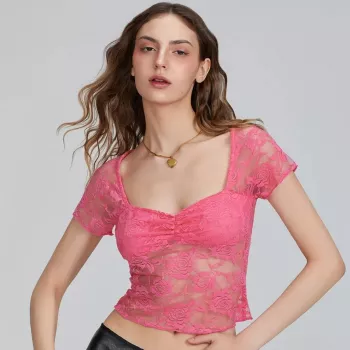
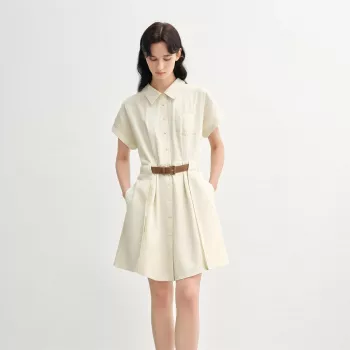
For evening plans, pair it with a structured, lace-accent top like the Floral Lace Corset Shirt—a fitted bodice balances the skirt’s swing without overpowering the pattern. If you want a warm-weather alternative that’s truly one-and-done, consider the Summer Linen Shirt Dress – Curve-Flattering Midi with Empire Waist for an easy midi silhouette when styling time is short.
Fitted or lightly structured tops—like a bodysuit, ribbed knit, or simple blouse—tend to look best, especially when tucked in to define the waist. Keep prints minimal so the checks remain the focal point.
Ankle boots, loafers, Mary Janes, pointed-toe flats, and clean sneakers all complement the diagonal hemline. Pointed toes and slight heels highlight the angle and can elongate the leg line.
The waistband should sit securely without rolling, and the fabric should lie flat over the hips without pulling so the checks don’t distort. The longest hem point should allow easy walking, so test comfort by taking steps and sitting down.









Leave a comment