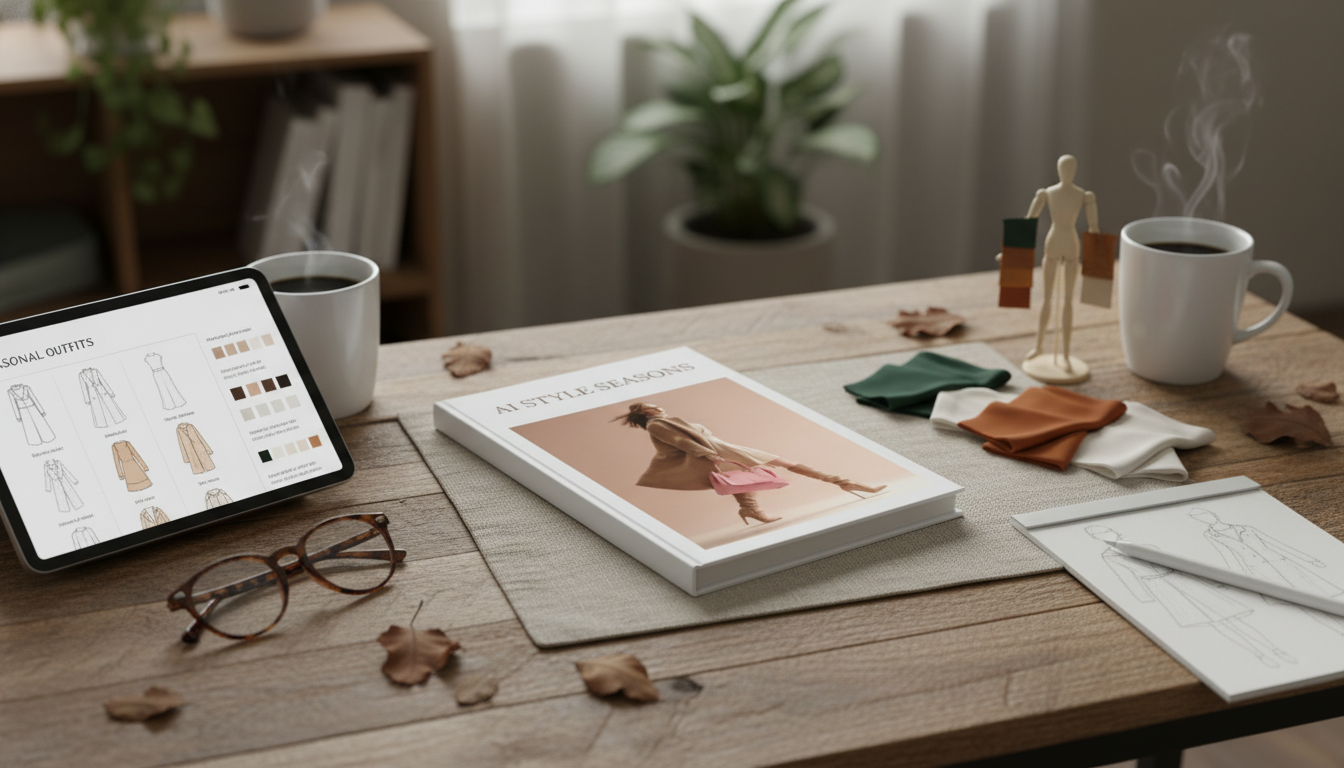
Seasonal dressing gets easier when decisions are based on weather, lifestyle, and what’s already in the closet. AI can speed up the process by turning a few inputs—climate, calendar, dress codes, and wardrobe notes—into repeatable outfit formulas for each season. The goal isn’t to create “perfect” outfits; it’s to build a realistic rotation that stays comfortable through temperature swings, indoor AC/heating, and real schedules.
Seasonal outfit planning works best as a system, not a mood. Instead of starting from scratch each morning, you pre-build a handful of formulas you can repeat with small swaps.
If you want a guided way to set this up quarterly, AI Style Seasons | How To Use AI For Seasonal Outfit Planning | Fashion eBook & Digital Download Guide walks through a repeatable workflow you can reuse each season without rebuilding from scratch.
Great outfit planning starts with a few clear constraints. Pull a quick “climate snapshot” from a reliable forecast source like the NOAA National Weather Service, then combine it with your personal comfort rules.
| Input | Examples | Why it matters |
|---|---|---|
| Weather range | 30–55°F, windy, light rain | Determines layers, outerwear weight, footwear traction |
| Indoor conditions | Office is cold, strong AC | Adds mid-layers, swaps sleeveless for short sleeves + cardigan |
| Dress code | Smart casual, no denim Mon–Thu | Filters outfit outputs and prevents unusable suggestions |
| Style direction | Romantic + modern basics | Keeps results cohesive instead of random |
| Comfort rules | No wool on skin, flat shoes only | Avoids friction and increases repeat wear |
A capsule doesn’t have to be tiny to be effective. It just needs repeatable combinations and a “vibe” that holds together across your week.
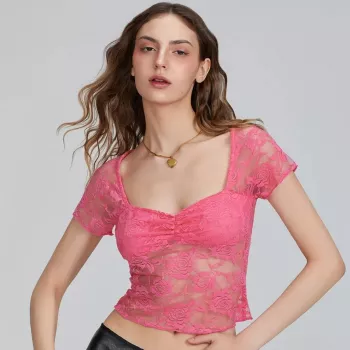
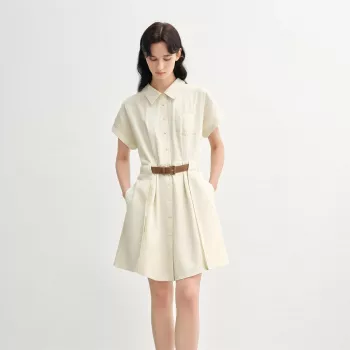
Example anchors that transition well: a lace-forward top that works alone or layered (like the Floral Lace Corset Shirt), and a breathable dress that can be styled up or down (like the Summer Linen Shirt Dress – Curve-Flattering Midi with Empire Waist).
The fastest way to keep outfit ideas grounded is to start with constraints, then build from your real inventory. Aim for formulas first, and examples second.
To reduce overbuying, treat new purchases as “combination multipliers,” not impulse fixes. Guidance from resources like the EPA’s waste reduction recommendations pairs well with a capsule mindset: fewer, better, more wearable pieces.
Care matters for repeat wear. If you’re relying on a few hero pieces, follow practical guidance like Consumer Reports: Clothing Care and Laundry Tips to keep favorites looking fresh longer.
Include the temperature range, precipitation, wind, indoor heating/AC, and how much time you’ll spend outside. Add footwear requirements (traction, closed-toe, flats only) and how much layering you tolerate.
Yes—share a list (or clear photos) of what you own, then set constraints like dress code and comfort rules. Ask for outfit formulas and a weekly rotation built only from that inventory.
Use it as a gap-finder: request the smallest set of missing pieces that increases outfit combinations while flagging duplicates. Prioritize versatile items that work across micro-seasons instead of one-off statement buys.











Leave a comment