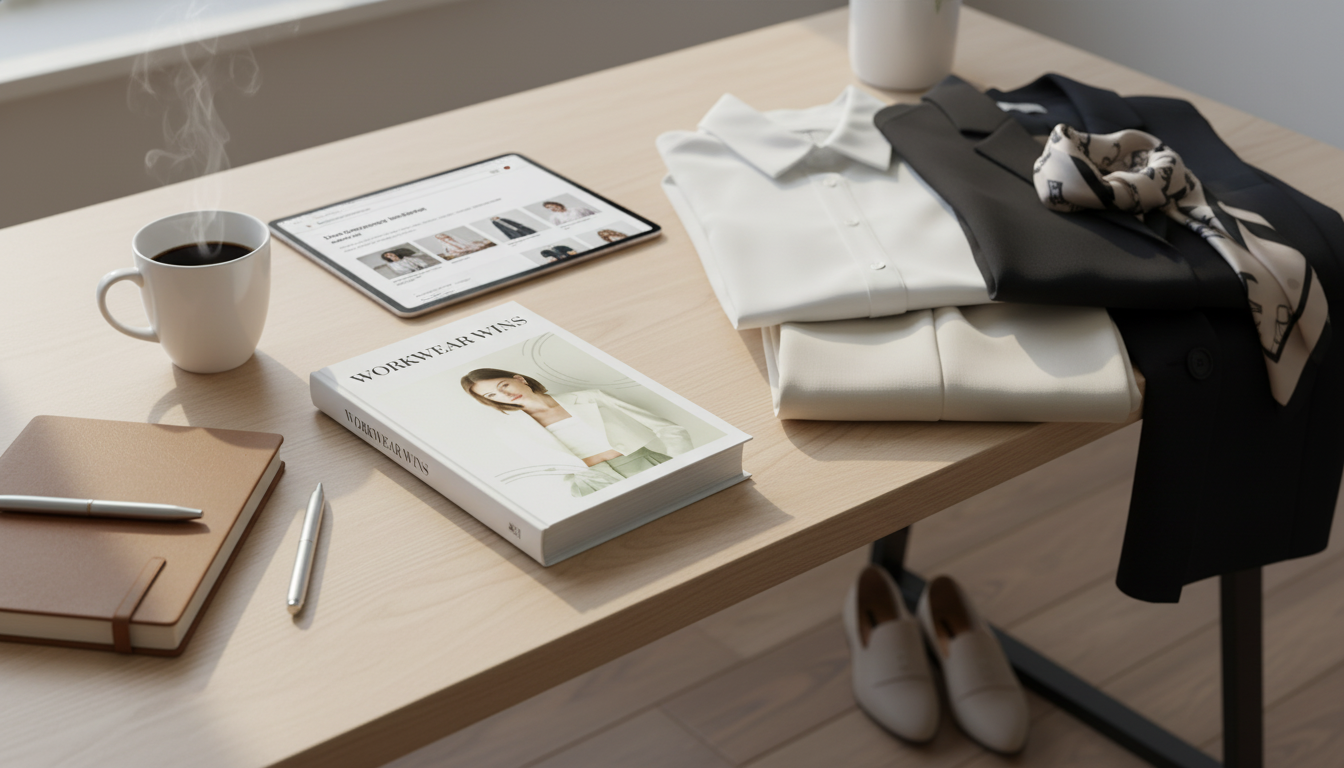
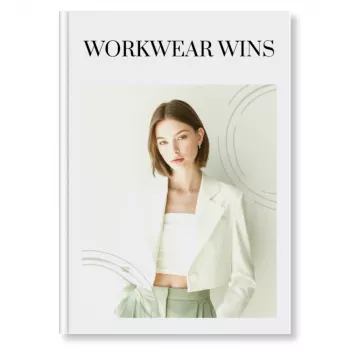
A practical, mix-and-match approach to building office-ready outfits that look polished, feel comfortable, and adapt to meetings, desk days, and after-work plans—without overthinking every morning.
Before buying anything new, match your outfit to the most common standard in your workplace: business formal, business professional, business casual, or smart casual. When the rules feel fuzzy, use the “most visible moment” rule—dress for the most formal part of your day (a client call, a presentation, or a leadership meeting), then let the rest of your outfit flex around that.
A simple upgrade path can save you on hectic mornings: keep a blazer, a structured bag, and refined shoes ready to go. Those three pieces can elevate a basic outfit in minutes. When you’re uncertain, lean into tailored shapes, mid-coverage necklines, and hemlines that allow comfortable movement.
| Dress code | Reliable outfit formula | Best fabrics | Easy upgrade |
|---|---|---|---|
| Business formal | Matching suit + blouse + closed-toe shoe | Wool blend, crepe | Add silk scarf or subtle jewelry |
| Business professional | Blazer + tailored trousers/skirt + knit top | Ponte, crepe, poplin | Swap flats for loafers/heels |
| Business casual | Cardigan/blazer + chinos/trousers + elevated tee | Cotton, linen blend, knit | Add belt + structured tote |
| Smart casual | Midi dress or dark denim (if allowed) + polished top | Denim (dark), jersey, linen | Add structured jacket |
For broader guidance on workplace policies and expectations, sources like SHRM and the Indeed Career Guide can help you sanity-check what’s considered appropriate across industries.
Make mornings easier by choosing 2–3 base neutrals (black, navy, camel, gray, or cream) plus one accent color that plays well with most tops. This keeps your closet cohesive and helps repeats look intentional instead of accidental.
Prioritize “repeatable” pieces: a blazer that fits cleanly at the shoulders, trousers that sit smoothly at the waist (no tugging), and tops that layer without bulk. A useful target is a 3×3 mix-and-match: 3 tops + 3 bottoms = 9 outfits, before you even factor in outer layers and shoes.
For long days, fabrics matter as much as fit. Ponte knit, crepe, poplin, and structured jersey tend to resist wrinkles and hold their shape through commuting, meetings, and sitting for hours.
When you’re short on time, outfit formulas beat starting from scratch. Try these reliable rules:
Rotate a few “default combinations” for the week, then change only one element (shoe, jacket, or top texture). That single switch is often enough to make a repeat feel fresh without looking busy.
Even a simple outfit looks elevated when proportions are balanced. If your top is relaxed, pair it with a streamlined bottom (and vice versa). Then check the high-impact tailoring priorities: shoulder seams, waist placement, trouser length, and skirt hemline.
Necklines that layer well under blazers—crew, modest V, and collared styles—keep your look clean and meeting-appropriate. And if you sit most of the day, test comfort in motion: sit, stand, reach, and walk before committing to a piece. If it rides up, pulls, or gaps at home, it won’t improve at 3 p.m.
Comfort doesn’t have to read “weekend.” Swap stiff fabrics for structured comfort: ponte trousers, knit blazers, and lined skirts that move with you. Use breathable layering for temperature swings—think a sleeveless base under a cardigan or blazer—so you can adjust without losing polish.
Shoes make or break a workday. Look for supportive insoles, a stable heel height, and enough toe room for walking. If your schedule involves multiple buildings, parking lots, or public transit, a sleek loafer or refined flat is often the most realistic choice.
Start with a conservative baseline: tailored shapes, mid-coverage necklines, and hemlines that let you move comfortably. Observe what leaders and client-facing teammates wear, and keep a blazer handy for an instant upgrade.
Choose structured comfort fabrics like ponte and crepe, build breathable layers, and make sure hems and waistlines don’t pinch when sitting. Supportive shoes and a quick movement test (sit, stand, walk) prevent most all-day discomfort.
A practical mini-capsule can be just 2 layers (blazer/cardigan), 3 tops, 3 bottoms, and 2–3 pairs of shoes. With small accessory changes, that mix creates enough combinations to carry you through most weeks.








Leave a comment