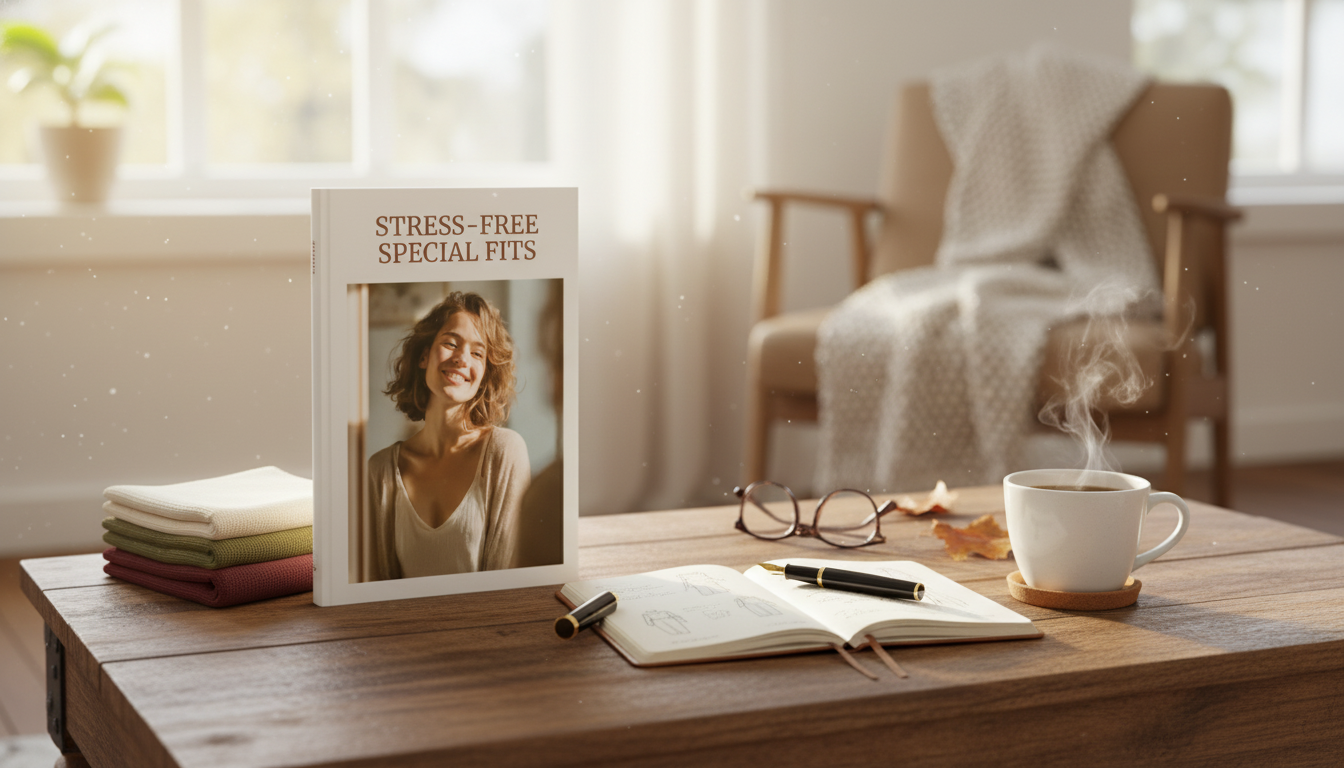
Stress-Free Special Fits: A Digital Guide to Dressing for Events Without Overthinking
Special-event outfits have a way of turning simple choices into a spiral: the invite sounds vague, the clock speeds up, and confidence dips right when it matters most. Stress-Free Special Fits digital guide is designed to bring the calm back—using a repeatable outfit formula, plain-English dress-code translation, and practical cues that help you feel polished without feeling like you’re playing dress-up.
Why special-event dressing feels harder than everyday style
- Ambiguous expectations: Invitations rarely explain what “cocktail” or “garden formal” looks like in real life.
- High stakes: Photos, reunions, work connections, and celebrations can raise the pressure to “get it right.”
- Time constraints: Planning gets squeezed between errands, travel, and last-minute changes.
- Decision fatigue: Too many options (and too many opinions) can make a simple outfit feel impossible.
If you’ve ever changed three times and still felt unsure, that’s not a “style problem.” It’s a planning problem—and it’s fixable with a lighter, more consistent system.
The Calm-Ready Outfit Formula (the no-spiral method)
This is a quick framework you can reuse for weddings, dinners, work events, parties, and travel gatherings. The goal: fewer decisions, better results.
- Start with the event anchor: Choose one focal item (dress, jumpsuit, tailored set, or standout top) that matches the venue and timing.
- Pick a support silhouette: Add a layer or structure that makes the look feel finished (blazer, wrap, cardigan, sleek jacket).
- Choose comfort-first shoes: Select a pair that can last the full timeline—arrival, standing, dancing, walking.
- Add one intentional accessory: Earrings, a bag, or a belt. One “signal” piece elevates the look without overdoing it.
- Lock the color story: Keep it to 2–3 colors max (or go monochrome) to stop endless re-matching.
- Do a final fit check: Sit, walk, raise your arms, and check indoor lighting so you’re not adjusting all night.
Outfit Formula Checklist (Copy/Paste Ready)
| Step |
Decision |
Quick Rule |
| 1 |
Anchor piece |
Matches venue + time (day vs. night) |
| 2 |
Support layer/structure |
Adds polish and solves temperature swings |
| 3 |
Shoes |
Walkable for the longest part of the event |
| 4 |
Accessory |
One statement, everything else quiet |
| 5 |
Color story |
2–3 tones or monochrome |
| 6 |
Final fit test |
Move, sit, and check under indoor lighting |
Dress codes decoded into real outfits
When dress codes are confusing, use the venue and time of day as your “translator.” If you’re still unsure, it’s usually safer to land slightly more polished than your everyday baseline. For broader etiquette references, see Emily Post Institute’s wedding attire guidance and Vogue’s dress code guides.
- Casual: Neat fabrics, intentional shoes, minimal logos. Think polished daytime, not gym-adjacent.
- Smart casual: Elevated basics—tailored pants, a structured top, a midi skirt; refined sneakers, loafers, or heels.
- Cocktail: Knee-to-midi dresses, sleek sets, or jumpsuits; richer fabrics and sharper accessories.
- Formal: Floor-length gowns or very dressy midis, structured suits, refined outerwear, evening shoes.
- Black tie: Full-length gowns or tuxedo-level tailoring; prioritize fit, fabric, and evening accessories.
- Outdoor/garden: Breathable fabrics and stable shoes; plan for grass, wind, and sun.
Confidence cues: tiny adjustments that change the whole look
- Fit over trends: A well-fitting simple outfit often reads more elevated than an uncomfortable statement piece.
- One intentional detail: A clean tuck, evenly rolled sleeves, or a hem that hits the right spot can make the whole look feel “done.”
- Balance rule: If the outfit is voluminous, keep accessories sleek. If the outfit is sleek, add one bold element.
- Texture = polish: Satin, linen, lace, structured knits, or crisp cotton signal “occasion” fast.
- Grooming anchor: Pick one to prioritize—hair, makeup, or nails—so you look intentional without piling on tasks.
When nerves spike, a quick reset helps. Harvard Health’s overview of stress management highlights simple techniques that can reduce last-minute tension—useful when you’re getting ready on a deadline.
Style planning timeline for a calm week (or a calm hour)
- 7 days out: Confirm venue, weather, and dress code; choose the anchor piece and shoes first.
- 3 days out: Try the full outfit with undergarments; take a mirror photo to spot tweaks.
- 1 day out: Prep backups (jacket, tights, alternate shoe) and pack a small emergency kit.
- Event day (15-minute version): Choose anchor + shoes, add one accessory, keep hair/makeup simple, and leave early.
How Stress-Free Special Fits helps
If you want a go-to system you can reuse (instead of reinventing your outfit plan every time), start with the Stress-Free Special Fits digital guide.
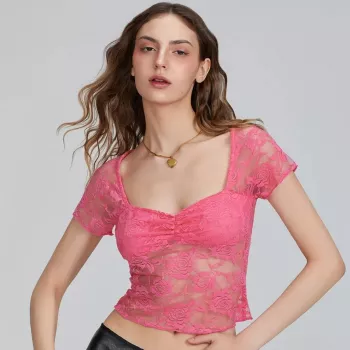
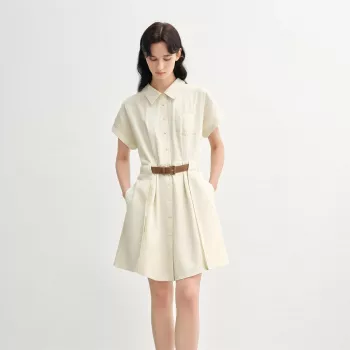
Optional outfit starters from the shop (build your anchor piece)
FAQ
What should be worn when the dress code is unclear?
Use the venue and time of day as the tie-breaker, then choose a polished anchor (like a midi dress, tailored set, or jumpsuit). Refine with walkable shoes and one intentional accessory, aiming slightly dressier than everyday.
How can an outfit feel dressy without feeling uncomfortable?
Prioritize fit, breathable fabric, and shoes you can wear for the longest part of the event. Add polish through a structured layer and rely on one statement accessory instead of multiple fussy elements.
How many pieces should be statement pieces in one outfit?
Stick to one main statement—either the outfit itself or one accessory—and let everything else support it with simple lines and a tight color palette. This keeps the look elevated without feeling busy.
Recommended for you







Leave a comment